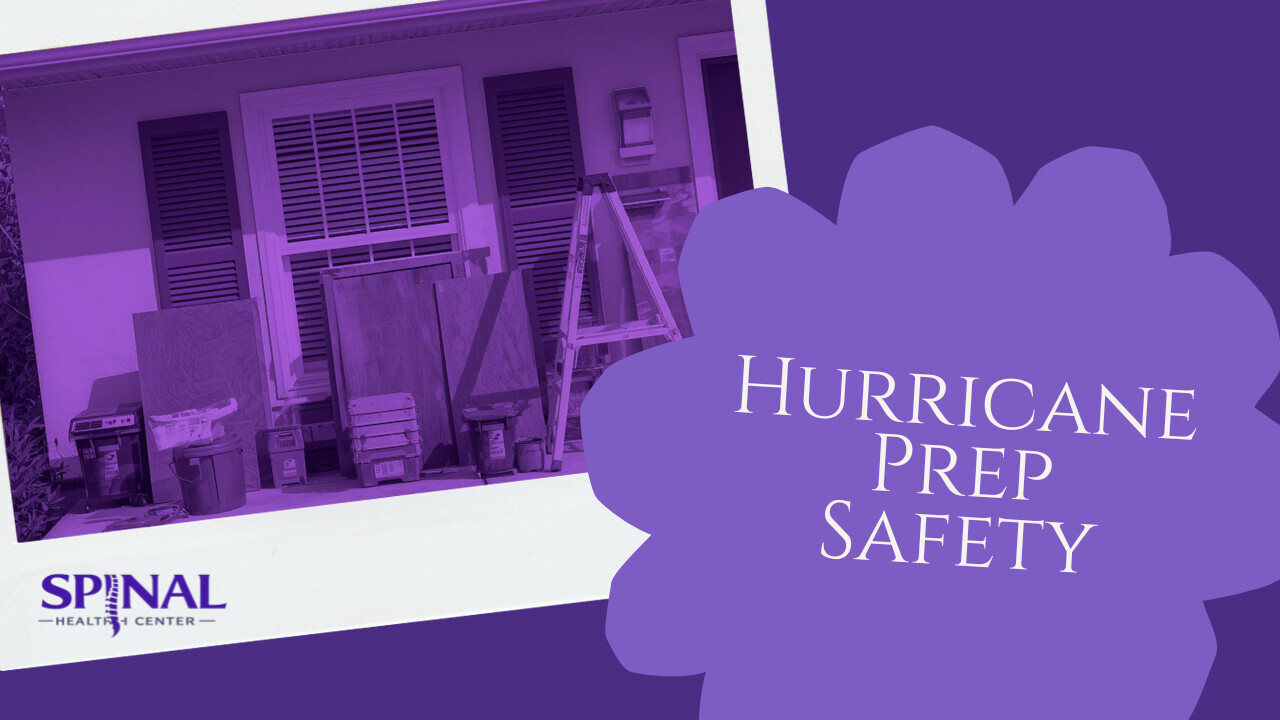
“I threw my back out hauling shutters down from the attic,” one Vero Beach patient told us recently. “By the time the storm actually got here, I could barely stand up straight to watch it pass.”
If you live along Florida's Treasure Coast, that story probably sounds familiar. Every year between June and November, hurricane season asks Vero Beach residents to do a lot of physical work in a short window: hauling plywood, hoisting shutters, dragging patio furniture indoors, and then, once the storm passes, clearing downed branches and hauling debris to the curb. It's exactly the kind of sudden, repetitive, awkward-position lifting that sends people into our office with a strained lower back, a pinched nerve, or a flare-up of sciatica that lingers for weeks.
As a chiropractor in Vero Beach, FL, I see this pattern every single storm season, and almost all of it is preventable. Here's what's happening to your spine during hurricane prep and cleanup, and how to get through the season without ending up laid up on the couch.
Why Hurricane Season Is So Hard on Your Back
Storm prep injuries aren't like a typical weekend strain. A few things make them worse:
• You're rushing. Nobody preps for a hurricane at a leisurely pace. Rushed movements mean rounded backs, twisted lifts, and skipped warm-ups.
• The tasks are unfamiliar. Most people don't regularly hoist plywood overhead or wrestle a generator out of a shed. Your body isn't conditioned for it, so the stabilizing muscles around your spine take the brunt of the load.
• It's often a one-two punch. You strain something during prep, then re-injure it days later hauling tree limbs and soggy debris during cleanup — before the first injury has even started to heal.
• Adrenaline hides the warning signs. In the moment, stress and urgency can mask the early twinge that would normally tell you to stop and reset your form.
The Storm-Related Injuries We See Most
In our Vero Beach practice, hurricane season reliably brings in patients with:
• Lower back strains from lifting generators, water cases, and storm shutters
• Sciatica flare-ups from prolonged bending and twisting while boarding windows
• Neck and shoulder strain from overhead work, like securing shutters or clearing gutters
• Disc irritation from repetitive bending during debris cleanup
• Postural pain from hours spent hunched over sandbags, tarps, or a chainsaw
Most of these start as a manageable ache that people try to push through — and that's usually the mistake that turns a two-day issue into a two-month one.
Before the Storm: Protect Your Back While You Prep
A little technique goes a long way when you're racing the forecast:
• Lift with your legs, not your back. Bend at the knees and hips, keep the object close to your body, and avoid twisting while carrying weight.
• Break up heavy tasks. Carry two smaller loads instead of one heavy one, and take short breaks between them.
• Warm up first. Even five minutes of light movement and stretching before hauling shutters or furniture helps prepare your muscles for the work ahead.
• Ask for help with awkward loads. Plywood sheets, generators, and ladders are two-person jobs — especially overhead or on uneven ground.
• Wear supportive shoes. Storm prep often happens on wet grass, gravel, or a ladder; stable footing protects your spine as much as your ankles.
After the Storm: Safe Cleanup Habits
Once the storm passes, the physical work isn't over — and fatigue makes injuries more likely during cleanup than during prep:
• Pace yourself over several days rather than trying to clear everything in one exhausting push.
• Use a dolly or wheelbarrow for debris instead of carrying it by hand whenever possible.
• Watch your footing on debris-covered or waterlogged ground, where a slip can strain your back as easily as a heavy lift.
• Don't ignore early pain. A dull ache after cleanup is your body's early warning system — resting and getting it checked out early is far easier than recovering from a full flare-up later.
How Spinal Health Center Can Help
Whether you're dealing with a fresh strain from this week's prep list or an old back injury that hurricane-season lifting just reawakened, chiropractic care is one of the most effective ways to recover without relying on medication alone. At Spinal Health Center, we help Vero Beach patients:
• Get an accurate assessment of what's actually causing the pain, whether it's a muscle strain, a disc issue, or nerve irritation like sciatica
• Reduce pain and inflammation through hands-on spinal adjustments tailored to your specific injury
• Restore mobility so you can get back to normal activity without compensating in ways that lead to a second injury
• Build a plan to strengthen the muscles that support your spine, so the next storm season is easier on your back than this one
We also see patients proactively before hurricane season peaks, to address existing alignment issues before they turn into a storm-week injury. A quick visit now can save you weeks of discomfort later.
Don't Wait Out the Pain — Get Checked Out
If storm prep or cleanup has already left you with back, neck, or nerve pain, please don't just wait for it to resolve on its own. Early treatment almost always means a faster, easier recovery.
Book an appointment online here today or call our Vero Beach office at (772) 233-4703 to get scheduled.
We're here to help you get through hurricane season standing up straight.
Stay safe out there.