

Expert Chiropractic Care for Tennis Elbow, Golfer's Elbow & Elbow Injuries in Vero Beach, FL
Elbow Pain Relief in Vero Beach
Elbow pain can make even the simplest activities frustrating—from gripping a golf club or tennis racket to lifting groceries, typing, shaking hands, or picking up your children. Whether your pain developed gradually from repetitive movements or began after an injury, identifying the underlying cause is essential for effective treatment.
At Spinal Health Center, Dr. Brittney Hughes provides comprehensive evaluations and personalized chiropractic care for patients experiencing elbow pain, including tennis elbow (lateral epicondylitis) and golfer's elbow (medial epicondylitis).
Rather than focusing solely on the painful area, we evaluate the entire upper extremity—including the elbow, wrist, shoulder, and cervical spine—to identify contributing factors that may be affecting your movement and recovery.
Our goal is to reduce pain, restore strength and mobility, and help you return to work, sports, and everyday activities comfortably.
Common Symptoms of Elbow Pain
Elbow conditions can produce a variety of symptoms, including:
- Pain on the outside of the elbow
- Pain on the inside of the elbow
- Tenderness around the elbow joint
- Pain when gripping or squeezing objects
- Weak grip strength
- Pain when lifting objects
- Discomfort when twisting a doorknob
- Pain while shaking hands
- Stiffness after periods of inactivity
- Pain during golf, tennis, pickleball, or weightlifting
- Discomfort extending or bending the elbow
- Pain radiating into the forearm
- Numbness or tingling in the hand or fingers
Because several conditions can produce similar symptoms, a thorough examination is important to determine the source of your discomfort.
Common Causes of Elbow Pain
Elbow pain may develop from repetitive stress, overuse, injury, or underlying joint and nerve conditions.
Common causes include:
- Tennis elbow (lateral epicondylitis)
- Golfer's elbow (medial epicondylitis)
- Tendinopathy and tendon irritation
- Muscle strains
- Ligament sprains
- Repetitive gripping or lifting
- Poor lifting mechanics
- Sports injuries
- Occupational overuse injuries
- Elbow bursitis
- Arthritis
- Ulnar nerve entrapment (cubital tunnel syndrome)
- Cervical radiculopathy (pinched nerve in the neck)
- Falls or direct trauma
What Is Tennis Elbow?
Tennis elbow, medically known as lateral epicondylitis or lateral elbow tendinopathy, is a condition involving irritation or degeneration of the tendons that attach the forearm extensor muscles to the outside of the elbow.
Despite its name, tennis elbow doesn't only affect tennis players. It frequently develops in people who perform repetitive gripping, lifting, twisting, or wrist-extension movements.
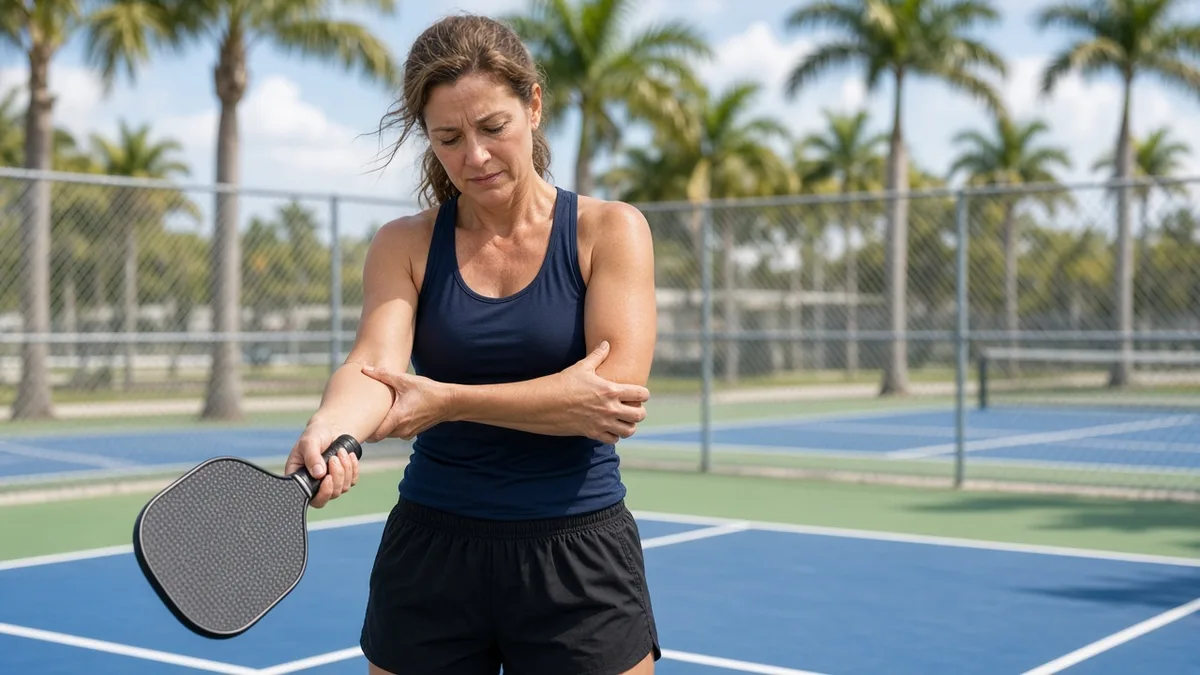
Common activities associated with tennis elbow include:
- Playing tennis or pickleball
- Weightlifting
- Using hand tools
- Typing and repetitive computer work
- Painting
- Gardening
- Carrying heavy objects
- Repetitive workplace activities
Common Symptoms of Tennis Elbow
- Pain on the outside of the elbow
- Tenderness over the lateral epicondyle
- Pain when gripping objects
- Discomfort lifting with the palm facing downward
- Weakness when squeezing or shaking hands
- Pain extending the wrist against resistance
- Symptoms that worsen with repetitive activity
Without appropriate activity modification and rehabilitation, symptoms can persist for months.
What Is Golfer's Elbow?
Golfer's elbow, medically known as medial epicondylitis or medial elbow tendinopathy, affects the tendons that attach the forearm flexor and pronator muscles to the inside of the elbow.
Although commonly associated with golf, golfer's elbow can develop from many activities involving repetitive gripping, wrist flexion, or forearm rotation.
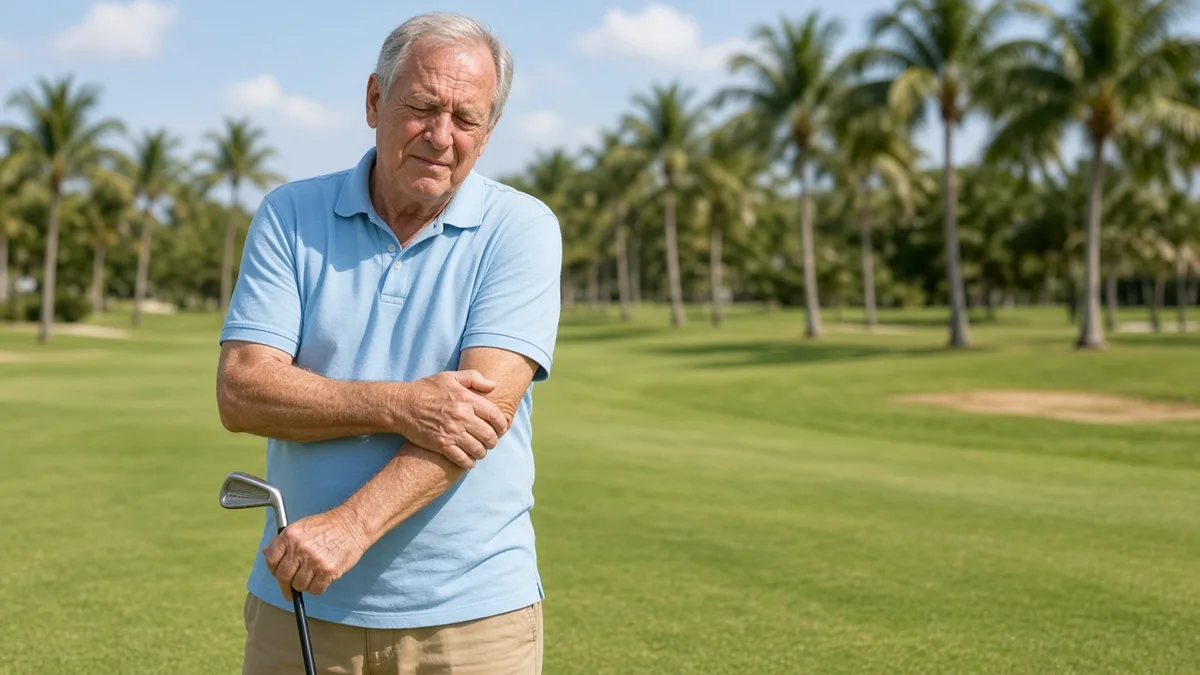
Common contributing activities include:
- Golf
- Baseball and softball
- Weightlifting
- Rock climbing
- Throwing sports
- Repetitive lifting
- Construction work
- Manual labor
- Frequent gripping or twisting
Common Symptoms of Golfer's Elbow
- Pain on the inside of the elbow
- Tenderness near the medial epicondyle
- Pain when gripping or lifting
- Discomfort with wrist flexion
- Weakness in the hand or forearm
- Pain during golf swings or throwing activities
- Symptoms aggravated by repetitive wrist movements
Tennis Elbow vs. Golfer's Elbow: What's the Difference?
Although these conditions have similar names, they affect different tendon groups.
| Tennis Elbow | Golfer's Elbow |
|---|---|
| Pain on the outside of the elbow | Pain on the inside of the elbow |
| Affects wrist extensor tendons | Affects wrist flexor/pronator tendons |
| Often aggravated by wrist extension | Often aggravated by wrist flexion and gripping |
| Common with racquet sports and repetitive lifting | Common with golf, throwing, and gripping |
Both conditions are forms of elbow tendinopathy and can develop gradually from repetitive loading.
Our Comprehensive Elbow Evaluation
At Spinal Health Center, we believe successful treatment begins with an accurate diagnosis.
Dr. Brittney Hughes performs a thorough examination to identify the structures contributing to your pain and determine whether symptoms originate from the elbow or another area.
Your evaluation may include:
- Complete health history
- Orthopedic examination
- Neurological assessment
- Elbow range of motion testing
- Wrist and forearm mobility assessment
- Grip strength evaluation
- Resisted muscle testing
- Tendon palpation
- Shoulder and cervical spine assessment
- Functional movement evaluation
- Assessment of repetitive activities and sports mechanics
When appropriate, additional imaging or referral to an orthopedic specialist may be recommended.
Personalized Treatment Options
Treatment is tailored to your diagnosis, activity level, and recovery goals.
Depending on your examination findings, your care may include:
- Chiropractic adjustments when appropriate
- Gentle elbow, wrist, and shoulder joint mobilization
- Myofascial release
- Soft tissue therapy
- Therapeutic exercises
- Progressive tendon-loading exercises
- Forearm strengthening
- Stretching and mobility exercises
- Kinesiology taping
- Activity modification
- Ergonomic recommendations
- Home rehabilitation exercises
Our approach emphasizes improving movement, progressively rebuilding tendon strength, and addressing contributing factors that may place excessive stress on the elbow.
Why Choose Spinal Health Center?
- Comprehensive elbow and upper-extremity evaluations
- One-on-one care with Dr. Brittney Hughes
- Evidence-informed chiropractic care
- Personalized rehabilitation programs
- Evaluation of the elbow, wrist, shoulder, and neck
- Gentle and traditional adjusting options
- Treatment tailored to athletes and active adults
- Focus on identifying contributing factors—not simply masking symptoms
- Coordination with orthopedic specialists and imaging centers when appropriate
Schedule Your Elbow Pain Evaluation
Whether you're dealing with tennis elbow, golfer's elbow, repetitive strain, or unexplained elbow pain, you don't have to let discomfort interfere with your work, hobbies, or favorite activities.
At Spinal Health Center, Dr. Brittney Hughes is committed to identifying the source of your symptoms and developing an individualized treatment plan to help you restore strength, improve mobility, and return to the activities you enjoy.
Schedule your elbow pain evaluation today at Spinal Health Center in Vero Beach, FL, and take the first step toward getting back to doing what you love.
Frequently Asked Questions
Find answers to the most common questions patients ask before scheduling an appointment.
Can chiropractic help tennis elbow?
Yes. Conservative musculoskeletal care may help patients with tennis elbow by addressing contributing movement limitations, managing symptoms, and improving tendon-loading tolerance. Treatment may include soft tissue therapy, joint mobilization when appropriate, and progressive strengthening exercises. Rehabilitation exercises are especially important for restoring function and improving long-term outcomes.
Can chiropractic help golfer's elbow?
Chiropractic care may be part of a conservative treatment plan for golfer's elbow. Dr. Hughes evaluates the elbow, wrist, shoulder, and neck to identify contributing factors. Treatment may include manual therapy, activity modifications, and progressive strengthening exercises to help improve function and reduce discomfort.
What's the difference between tennis elbow and golfer's elbow?
The primary difference is the location of the affected tendons. Tennis elbow typically causes pain on the outside of the elbow, while golfer's elbow causes pain on the inside. Both conditions are commonly associated with repetitive gripping, lifting, and forearm movements, and neither requires participation in the sport it's named after.
Can I have tennis elbow without playing tennis?
Absolutely! Tennis elbow commonly affects people who have never picked up a tennis racket. Repetitive activities such as typing, gardening, painting, weightlifting, using tools, and lifting objects can all contribute to excessive loading of the forearm tendons.
Why does my elbow hurt when I lift something?
Elbow pain during lifting may result from tendon irritation, muscle strain, joint dysfunction, or nerve involvement. Pain on the outside of the elbow may indicate tennis elbow, while pain on the inside may suggest golfer's elbow. A thorough examination can help identify the cause.
Can a pinched nerve in my neck cause elbow pain?
Yes. Nerves originating in the cervical spine travel through the shoulder, arm, and into the hand. Irritation of these nerves can cause referred pain, numbness, tingling, or weakness around the elbow and forearm. Dr. Hughes evaluates the cervical spine when appropriate to determine whether nerve involvement may be contributing to your symptoms.
Should I use ice or heat for elbow pain?
Both may provide temporary symptom relief. Ice can help reduce discomfort after aggravating activities, while heat may help relieve stiffness and muscle tension. Neither replaces appropriate rehabilitation. Dr. Hughes can recommend the most suitable approach based on your symptoms and examination findings.
Should I stop playing golf, tennis, or pickleball if my elbow hurts?
Not necessarily. Many patients can continue participating in modified activities while recovering. However, playing through significant or worsening pain may aggravate symptoms. Adjusting your activity level, improving technique, modifying equipment, and following a progressive strengthening program may help you return to your sport safely.
Will I need an MRI for elbow pain?
Not always. Many elbow conditions can be diagnosed through a detailed history and physical examination. If your symptoms suggest a significant tendon tear, ligament injury, nerve compression, or another condition requiring further evaluation, Dr. Hughes may recommend imaging or referral.
How long does tennis elbow or golfer's elbow take to heal?
Recovery varies depending on the severity of tendon involvement, how long symptoms have been present, activity demands, and adherence to rehabilitation. Some patients improve within several weeks, while persistent tendinopathy can take several months or longer to recover. Progressive loading and appropriate activity modification are important parts of treatment.
Can elbow pain go away without surgery?
Yes. Most cases of tennis elbow and golfer's elbow can be managed without surgery. Conservative treatment typically includes activity modification, progressive strengthening, and symptom management. Surgery is generally considered only for select patients with persistent symptoms despite an adequate course of non-surgical treatment.
How many visits will I need?
Every patient is different. Treatment recommendations depend on your diagnosis, symptom severity, activity level, and response to care. Following your examination, Dr. Hughes will discuss her findings and develop a personalized treatment plan focused on your recovery goals.
When should I seek immediate medical attention for elbow pain?
Seek prompt medical evaluation if your elbow pain follows significant trauma, you notice an obvious deformity, cannot move the elbow, experience sudden severe weakness, or develop significant redness, swelling, and fever. Sudden loss of sensation or circulation in the hand also requires urgent evaluation.