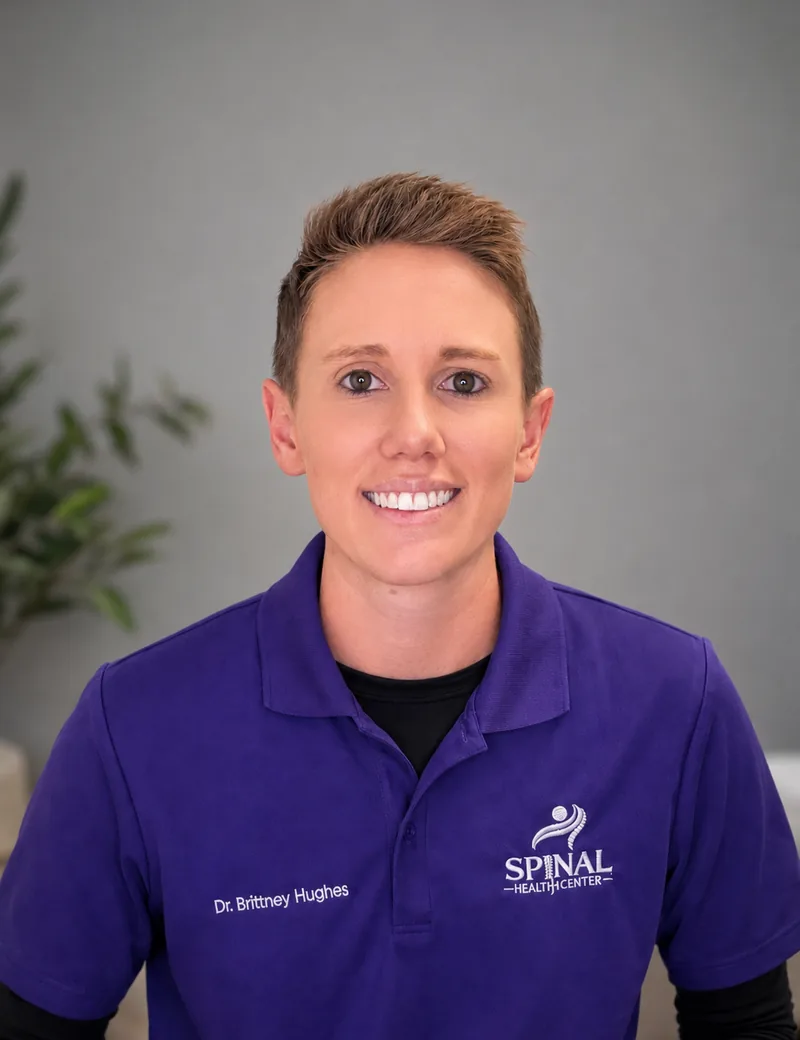
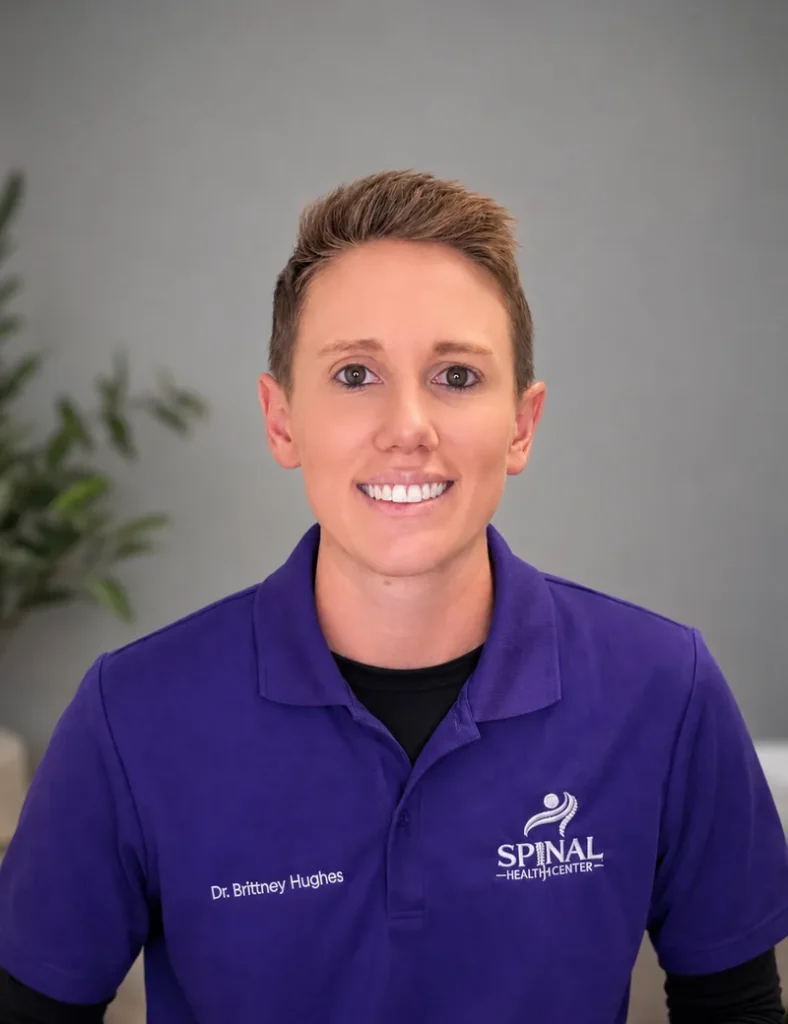
Answers to common questions about TMJ Pain at Spinal Health Center in Vero Beach, FL. Care is provided by Dr. Brittney Hughes.
Related care: TMJ Pain
Can chiropractic help TMJ disorders?
Yes. Chiropractic care may help some patients with TMJ disorders, particularly when symptoms are related to muscle tension, cervical spine dysfunction, posture, or jaw mechanics. After a thorough evaluation, Dr. Hughes will determine whether chiropractic care is appropriate for your condition.
Why does my jaw click?
Jaw clicking may occur when the disc inside the temporomandibular joint doesn't move normally or when the muscles surrounding the jaw become imbalanced. Clicking is common and isn't always painful, but persistent clicking with pain or limited movement should be evaluated.
Can neck problems cause TMJ pain?
Absolutely. The muscles and joints of the neck and jaw work closely together. Poor posture, cervical joint dysfunction, and muscle tension can contribute to jaw pain, headaches, and facial discomfort. This is why Dr. Hughes evaluates both the jaw and the cervical spine.
Do I need a mouth guard?
Some patients benefit from a custom night guard if teeth grinding or jaw clenching contributes to their symptoms. If appropriate, Dr. Hughes may recommend evaluation by your dentist for a professionally fitted appliance.
Can stress make TMJ worse?
Yes. Stress often leads to increased jaw clenching, teeth grinding, and muscle tension, which can aggravate TMJ symptoms. Managing muscle tension and improving jaw mechanics are often important parts of treatment.
Will I need imaging?
Not everyone requires imaging. Many TMJ disorders can be evaluated through a detailed history and physical examination. If Dr. Hughes believes imaging or referral to a dental or medical specialist is appropriate, she will explain the reason and coordinate your care.
How many visits will I need?
Treatment recommendations depend on the cause of your symptoms, how long you've had them, and how your body responds to care. After your examination, Dr. Hughes will discuss her findings and recommend a personalized treatment plan
When should I seek immediate medical care?
Seek prompt medical or dental evaluation if you experience severe facial swelling, inability to open or close your mouth after trauma, signs of infection such as fever with jaw swelling, or sudden severe jaw pain following an injury. These conditions may require urgent medical attention.